A garage door is one of the hardest working systems in a Chicago home. Cold snaps, lake-effect moisture, road salt, and the daily cycle of up and down can turn a smooth operator into a noisy, stubborn contraption faster than you’d think. After years of field calls in the city and suburbs, I can tell you many service visits could be avoided, or at least triaged better, with a careful check at home. That does not mean tackling dangerous work like torsion springs. It means inspecting what you can see, understanding what you hear, and knowing the line between a DIY fix and a situation where you need a professional garage door company Chicago homeowners trust.
This guide walks you through a practical, safety-first checklist. If you do end up calling for garage door repair Chicago service teams will appreciate your clear notes, and you’ll save time and money by narrowing the problem. If the issue is something simple such as a misaligned photo eye or a dead remote battery, you might get the door moving again without scheduling a visit.
Know your door, know your risks
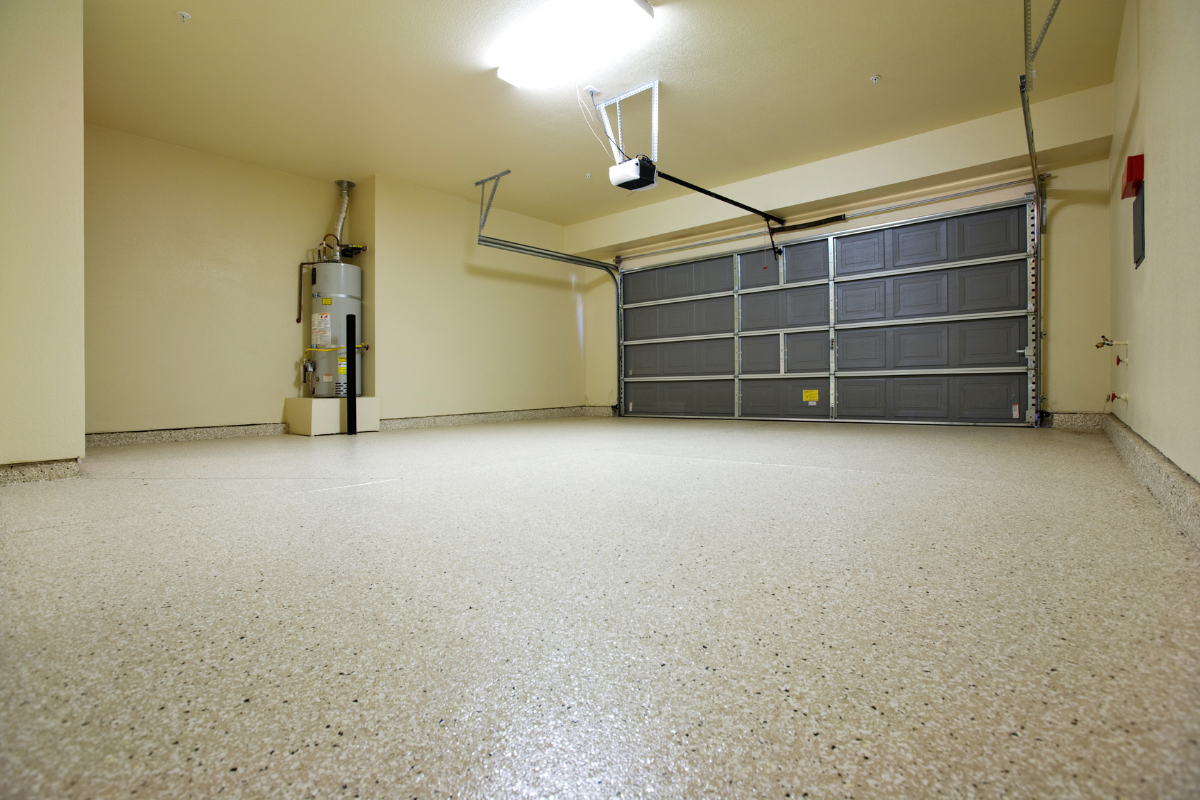
Every door system blends mechanical hardware and an electric operator. Sectional doors in Chicago are typically either steel or composite over steel, with torsion spring systems mounted above the opening or extension springs along the tracks. The opener can be a chain-drive, belt-drive, screw-drive, or direct-drive unit. Each has typical failure points. Chain-drives handle cold well but can be noisy and stretch over time. Belt-drives run quietly, which helps in coach houses and townhomes, but the belt needs periodic tensioning. Torsion springs carry massive stored energy and can snap without warning. Whenever you see a gap in a torsion spring or hear a bang like a 2x4 hitting a wall, stop. That repair is not a DIY project.
Chicago’s climate creates specific stress. Overnight freeze-thaw can seize rollers in their bearings. Salt spray from alleys and winter roads accelerates corrosion on bottom brackets and cables. Humid August afternoons can swell wood overlays, causing panel binding. Plan your inspection with that context in mind.
Safety first, even for a quick check
Unplug the opener if you are working near moving parts, and keep hands away from springs, cables, and the drum area. If a step requires you to remove fasteners from spring anchor plates or bottom brackets near the cable attachment, that step belongs to a pro. You can still observe and report what you see. A clear description earns you faster, more accurate garage door service Chicago technicians can act on.
The no-cost, two-minute checks
Before tools come out, do the quick wins. I have seen hundreds of service calls where these simple steps solved the problem.
The first list below covers high-yield checks you can do in minutes. If any step restores normal operation, run two full open-close cycles and observe.
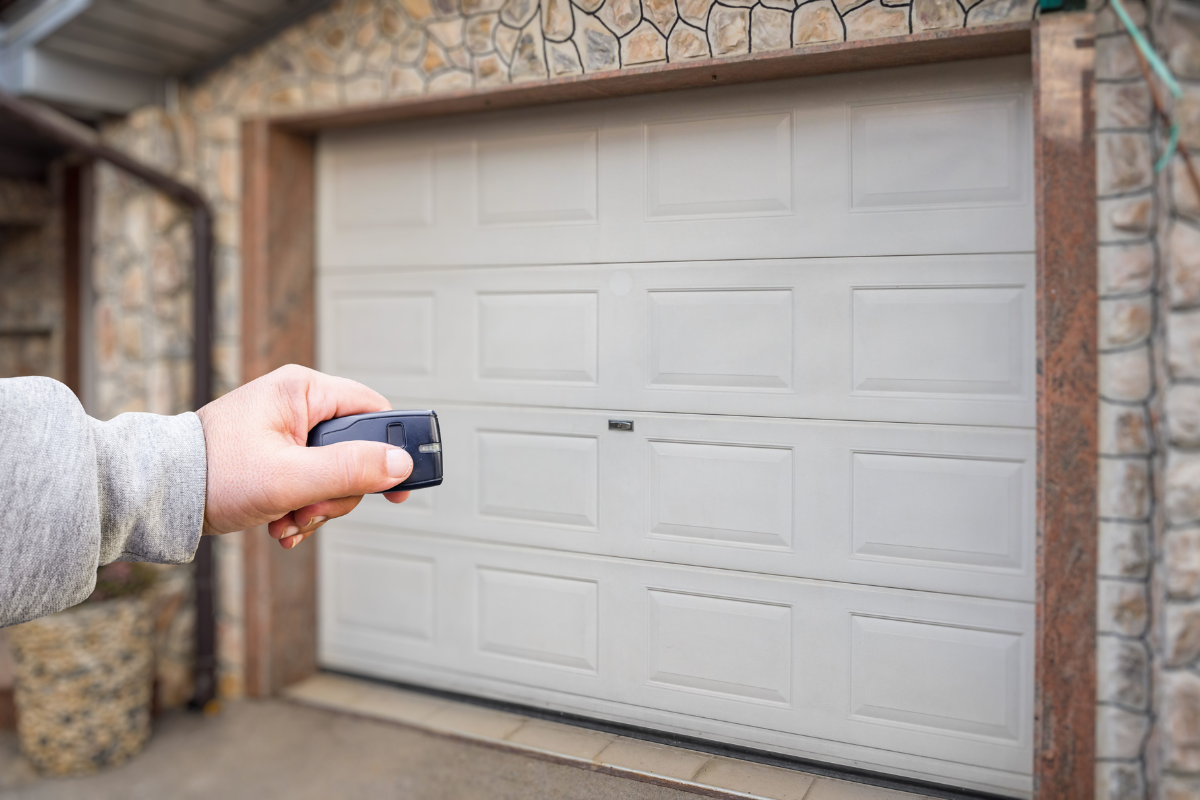
- Check the lockout: Many wall consoles have a vacation or lock button. If the opener hums but remotes do nothing while the wall button still works, toggle the lock mode off. Replace remote batteries: If your range has shrunk or the remote is intermittent, pop in a fresh coin cell (CR2032 is common) and try again. Do this for keypad batteries as well. Inspect the photo eyes: Wipe the lenses with a soft cloth, then confirm they are aligned facing each other. A steady light usually indicates alignment; a flicker or off-light suggests an issue. Pull the red release cord: With the door down, pull the emergency release and try lifting by hand. If the door moves freely and stays where you leave it, the hardware likely is fine and the opener needs attention. If the door feels heavy or slams down, the spring system is compromised. Stop and call a professional. Power cycle the opener: Unplug the opener for 30 seconds, plug it back in, and attempt a cycle. Some logic boards recover from minor faults after a restart.
Those five checks solve more problems than you might expect. If the door still acts up, take a longer look.
Listen to the door
Sounds tell a story. A rhythmic clack as the door rises often points to a broken or flat-spotted roller. A machine-gun rattle in a chain-drive can be a loose chain slapping the rail. A grinding growl near the opener suggests a worn gear assembly or travel sprocket. A squeal at the top of travel can be a binding top fixture or an out-of-square track.
One winter on the Northwest Side, a homeowner called about a screech that came only at 80 percent open. The culprit turned out to be a top roller in a bracket that had shifted inward by a quarter inch after a minor bump from a roof rack. The bracket rubbed the flag bracket, amplified by the door acting like a soundboard. Two turns on the carriage bolts and it went silent. The lesson is to pinpoint when in the travel the noise appears, then look where the forces are highest. That detail helps any garage repair Chicago technician prepare parts.
Visual inspection that respects danger zones
Start with the door down if possible and the opener disconnected. Stand inside the garage, lights on, and scan from the floor up.
Look at the bottom corners first. Cables should run straight up the side of the door to the drums with no fraying. If strands are broken or the cable looks birdcaged, don’t operate the door. Bottom brackets should be solid, not bowed or badly rusted. In Chicago, bottom brackets on alley-facing garages often corrode faster; keep an eye on them after five to seven winters.
Move your gaze to the vertical tracks. They should be plumb, with equal gap between the track and the edge of the door. Fresh scrape marks on one side indicate rubbing. Inspect the rollers. Nylon rollers with ball bearings should spin freely and quietly; steel rollers should turn smoothly with no wobble. Bent stems, missing caps, or loose fasteners call for replacement.
At chest height and above, look at the hinges between sections. If you see metal shavings, hairline cracks near screw holes, or a hinge that flexes more than its neighbors, you have a weak link. Over time, hinges on the second section from the bottom take a beating, especially on insulated steel doors that are heavier.
Above the header, observe the torsion spring shaft, drums, and springs. If you notice a gap in the spring coil, that spring is broken. Don’t touch it. If the spring looks intact, check for a layer of fine black dust on the horizontal track or opener rail. That often comes from worn opener gears rather than the spring itself.
Finally, inspect the opener rail and trolley. The chain or belt should feel taut with a little give, not sagging like a jump rope. The header bracket that anchors the rail to the wall must be firmly attached to framing. A loose bracket can cause travel issues and dangerous flexing.
Test balance the careful way
A properly balanced door stays in place when raised to mid-height and eased to a stop. After pulling the release cord with the door closed, lift the door by hand to about waist height. Feel for even resistance. If the door wants to fall or lift itself, the spring tension is off. Do not attempt to adjust springs. A trained technician will weigh the door and set the spring torque. Your job is to note the imbalance.
If balance is good, move the door slowly through full travel. Any binding, scraping, or catching tells you where to look. Some doors swell slightly in summer, which can cause rub marks on the stop molding. You can often relieve this with a minor adjustment to the track stand-offs, but know that loosening track fasteners can introduce alignment issues. If you are not comfortable, note the hot spots and call a pro.
Photo eyes and safety reverse checks
Chicago code and common sense require functioning safety sensors. Confirm the photo eyes are mounted at roughly 6 inches from the floor and aligned. If the door refuses to close and the opener lights blink, hold the wall button down to force the door to close only if you have a clear view and nothing is in the path. This test helps isolate sensor faults.
Next, test the auto-reverse force with a two-by-four laid flat on the floor under the center of the door. Reconnect the opener, command the door to close, and watch. The door should hit the board and reverse within a second. If it crushes the board or struggles, reduce the close-force setting per your opener manual or leave it for a technician. People get hurt https://jaidenkyun007.theburnward.com/garage-repair-chicago-opener-troubleshooting-guide when force settings are too high.
When the door won’t open at all
Start with the straightforward causes. Is the opener getting power? A GFCI outlet in the garage or even in a nearby laundry area may have tripped. Reset any GFCI you can find on that circuit. If lights are on yet the motor hums without movement, the trolley may be disengaged. Pull the red cord toward the door to re-latch. If the motor runs and the chain turns but the door stays put, an internal drive gear may have failed. Older openers have nylon gears that wear out around the 10 to 15 year mark, especially on heavier doors.
If the opener strains and the door barely budges, look for broken springs or a cable off the drum. A single torsion spring break can add 70 to 150 pounds of effective weight depending on door size. Do not try to “help” the opener by pushing the door. That is how logic boards burn out.
Cold weather quirks and quick fixes
Deep cold reveals marginal components. Viscous grease in old roller bearings stiffens and the opener registers higher force. Photo eyes misbehave when frost forms on lenses. Weatherstripping freezes to the concrete. A homeowner in Edison Park once called because his door would open but not close on mornings below 10 degrees. The real issue was condensation on the sensors at sunrise. A gentle wipe with a microfiber cloth and a slight inward tilt to the sensor housings solved it for the season.
A silicone-based spray on the bottom weather seal helps prevent sticking to the slab. Avoid petroleum sprays on nylon rollers or plastic bearings. Use a small amount of garage door lubricant on steel hinges and the torsion spring coil, applied lightly. More lube is not better. Excess collects grit and turns into paste.
What to tighten, what to leave
You can snug hinge screws and track bolts if you see an obvious loose fastener. Use a nut driver, not an impact gun, and stop at snug. Overtightening distorts the track and invites binding. Do not loosen the set screws on the drums or the spring cones. Do not remove the bottom bracket bolts where the cable connects. These are under spring load and can whip unexpectedly.
You can safely adjust opener travel limits and, with restraint, chain or belt tension per the manufacturer’s guide. A chain should have about a half-inch of play midway along the rail. A belt should be firm but not twanging like a guitar string. Over-tensioning shortens the life of the drive system.
A note on new noises after garage door installation Chicago homeowners often report
After a new door and opener are installed, minor noises can settle in during the first month. Fasteners seat, rollers wear in, and the opener belt may stretch a hair. If a brand-new system gets louder, you can check belt tension and confirm all hinge screws remain snug. If your installer offered a 30 or 60 day tune-up, use it. A reputable garage door company Chicago residents recommend will encourage that follow-up visit to fine-tune alignment and force settings as the system breaks in.
When repair turns into replacement
At some point it is more responsible to discuss replacement, not more patches. If your steel door has widespread rust, dented panels, and failing insulation after two decades of winters, the cost of cumulative garage repair Chicago service calls can exceed half the cost of a new door. Openers from the pre-2010 era without modern safety and rolling code features may not justify an expensive gear or board replacement. Energy efficiency matters, too. An uninsulated detached garage might not need a high R-value door, but if your garage connects to living space or you use it as a workshop, a new insulated door can change the comfort and noise profile dramatically.
Good installers take measurements carefully. They verify headroom, backroom, and sideroom, then match spring wire size and length to the door’s exact weight, not just the model name. That upfront attention avoids premature spring failure and opener strain. If you are considering garage door installation Chicago has a range of door options that hold up to freeze-thaw cycles, including galvanized hardware packages and powder-coated track systems that resist corrosion better than basic zinc plating.
Cost ranges and what influences them
Prices vary with door size, hardware grade, and brand. For context, a typical single spring replacement for a standard 16 by 7 steel sectional door in the Chicago market often falls in the mid hundreds, not including additional cables or rollers if needed. Dual spring systems cost more but distribute stress better and last longer. Opener replacements range widely depending on features and horsepower. Chain-drive units sit at the economy end, while quiet belt-drives with integrated smart controls command a premium.
Expect a trip charge and labor minimum for smaller fixes. Ask about parts warranties and labor guarantees. A garage door service Chicago provider that stands behind their work will explain what is covered and for how long.
Communicate like a pro when you call
You do not need to speak in jargon, but the right details help the dispatcher and technician prepare. Share the door size if you know it, the opener brand and model, and what you observed during your checklist. Mention any codes flashing on the opener lights, any recent bumps from a car or ladder, and whether the problem is constant or intermittent. If a photo or short video is easy to share, it can save a trip for parts.
A realistic, at-home checklist before you book a visit
One more concise pass at a do-first sequence, tailored to what truly makes a difference:
- Confirm power and lock modes: GFCI reset, opener plugged in, wall console not set to vacation lock. Verify safety sensors: Clean, align, and look for steady lights. Test manual operation: Release the trolley, lift by hand, and check balance and smooth travel. Inspect obvious failures: Broken spring gap, frayed cables, loose or missing roller, bent track. If any appear, stop and call. Calibrate simple settings: Replace remote/keypad batteries, power cycle opener, adjust belt or chain tension within spec.
If the problem persists, you have enough information to make an efficient service call.
Choosing the right help
When you do need a garage door company Chicago homeowners rely on, look for more than a fast appointment. Ask whether they carry common springs on the truck to avoid second trips, how they handle after-hours emergencies, and whether their techs are trained to service your opener brand. If you live in a tight alley or share a drive, on-time arrival and clear communication matter. A good technician explains what failed and shows you the worn parts. You should leave the visit knowing how to maintain the door through the seasons.
A final professional tip: schedule preventive maintenance in the shoulder months. A 30 to 45 minute tune-up in September or April extends component life and spares you a January morning with a door frozen to the slab. The tech will check spring balance, tighten hardware, verify photo eyes, set opener forces, and flag developing issues such as worn rollers or cracking hinges. It is modest insurance for a system you use multiple times a day.
Seasonal habits that pay off in Chicago
Wipe photo eyes monthly, especially during salt season. Rinse the bottom seal and the lower panel to remove salt residue that eats metal. Keep the door threshold clear of ice by using a pet-safe deicer sparingly, applied away from rubber seals. Open and close the door fully at least once a week even if you park on the street, so the springs and rollers get regular movement. Doors that sit unused tend to surprise you the day you need them.
If you share a garage with tenants or family, set expectations. Show everyone where the emergency release is, how gentle the door should feel when moved by hand, and what to do if something sounds off. Early reporting is cheaper than deferred problems.
A word on smart features and security
Keypads and app-based controls are useful in a city of busy schedules. Replace keypad batteries once a year. If you add a smart hub, ensure Wi-Fi reaches the garage. Place the hub away from metal surfaces that can block signals. If you ever lose a remote, clear and reprogram the opener codes. It takes a few minutes and keeps your security tight. Many modern openers include rolling codes, which prevent code grabbing, a quiet upgrade worth having in Chicago’s denser neighborhoods.
The bottom line
Use the checklist to rule out the easy fixes and to describe the hard ones. Do not risk injury by touching spring hardware or live cables. When it is time to bring in help, choose a provider experienced with garage door repair Chicago residents recommend, and expect clear communication, stocked trucks, and sound advice on whether to repair or replace. With the right habits and a bit of seasonal attention, your garage door will stay reliable through lake-effect snow, summer humidity, and everything between.
Skyline Over Head Doors
Address: 2334 N Milwaukee Ave 2nd fl, Chicago, IL 60647
Phone: (773) 412-8894
Google Map: https://openmylink.in/r/skyline-over-head-doors